


Every morning, small boats come in at Praia da Ribeira, the fishing beach locals still call Praia dos Pescadores, right beside the old town. By lunchtime, that same catch is often on a grill two streets away, priced by the kilo and served with nothing more complicated than olive oil, boiled potatoes and a green salad. That short distance between sea and table says most of what you need to know about eating in Cascais: it is a coastal food culture, mostly unfussy, built on produce rather than presentation, with a strong seasonal rhythm that has very little to do with the tourist menus posted along Rua Frederico Arouca.
This guide is built for residents, not holidaymakers. It covers what to order and why, which neighbourhoods suit which budget and occasion, and where people who actually live here buy their fish, bread and wine. By the end, you should be able to walk into Mercado da Vila, order lunch without a translation app, and know which parts of town to avoid on a Monday because half the kitchens are closed.
How Locals Eat: The Rhythm of a Cascais Day
Portuguese meal times and habits catch a lot of newcomers out in the first few months, so it is worth setting the pattern early.
- Breakfast is quick and cheap: a bica (espresso) or galão (coffee with steamed milk, served in a tall glass) with a pastel de nata or a slice of torrada (buttered toasted bread), usually taken standing at the counter. Ordering at the balcão rather than sitting at a table is noticeably cheaper almost everywhere.
- Lunch runs roughly from 12:30 to 14:30. The prato do dia or menu do dia (dish or menu of the day), usually chalked on a board outside, is the best value meal in town, typically €10 to €16 away from the waterfront, including soup, a main, a drink and coffee.
- Lanche is the mid-afternoon snack, and it is the reason every neighbourhood has at least one proper pastelaria doing a steady trade between 16:00 and 18:00.
- Dinner runs from around 19:30 to 22:30, earlier than in Spain and later than most of Northern Europe. Many traditional tascas close on Sunday evening or all day Monday, so always check before planning a Monday night out in the centre.
- The couvert, the bread, olives, butter and cheese placed on the table before you order, is only charged if you eat it. You are entitled to send it back untouched and pay nothing. Tipping is appreciated rather than expected, and 5 to 10 percent for good service is normal. Every venue is legally required to keep a Livro de Reclamações (complaints book), now also accessible online, should you ever need it.
- One practical tip worth more than it sounds: always give your NIF (tax number) when you pay. Restaurant spending registered against your NIF through the e-Fatura system can be partially deducted from your annual IRS tax return, up to a capped amount that is adjusted periodically, so check the current percentage and ceiling before filing. See [Link to: NIF and Portuguese Tax Numbers Explained] for the full mechanics.
What to Try: Signature Dishes and Flavours of the Coast
From the Atlantic: Fish and Seafood
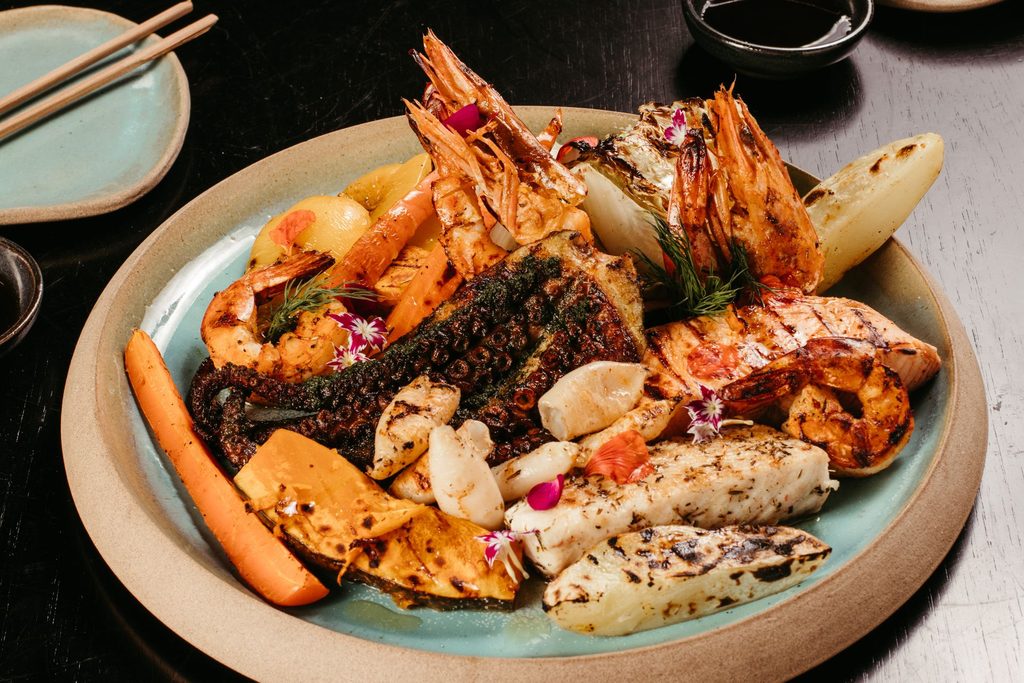
Peixe grelhado (grilled whole fish) is the backbone of Cascais dining: sea bass, sea bream, red mullet, turbot and John Dory all appear depending on the season. Fish is commonly sold ao quilo (by the kilo), so it is normal, and expected, to ask to see the fish and have it weighed in front of you before it goes on the grill. Percebes (goose barnacles), hand-harvested from the rocks around Guincho in conditions that are genuinely dangerous, are seasonal, priced accordingly and worth trying at least once. Other staples include amêijoas à Bulhão Pato (clams in garlic, coriander and lemon), arroz de marisco (a loose, soupy seafood rice meant for sharing), cataplana (a mixed seafood stew named after the copper pan it is cooked in) and polvo à lagareiro (octopus roasted with olive oil and smashed potatoes). Around June, sardinhas assadas (grilled sardines) appear everywhere for the Santos Populares festivities, best eaten outdoors with your fingers. See [Link to: Festivals and Events in Cascais] for the calendar.
From the Land and the Tasca Tradition
Bacalhau (salt cod) appears in dozens of regional preparations and is treated almost as a category of its own rather than a single dish. For something faster, the bifana (marinated pork in a bread roll) and prego (steak sandwich) are the standard quick lunches at any tasca counter. Leitão (suckling pig) and cheeses such as Azeitão and Serra da Estrela round out the land-based side of the menu, usually on weekend family tables rather than weekday lunches.
Sweet Things
The pastel de nata needs no introduction, but Cascais and Estoril also share Sintra’s pastry tradition, including travesseiros (puff pastry filled with almond and egg cream) and queijadas (small cheese tarts), both worth the short drive to Sintra for. In summer, Berlim doughnut sellers work the length of Praia da Conceição and Praia da Duquesa. Estoril in particular has a long tradition of artisanal gelato dating back decades, a habit of post-dinner strolling along the Paredão that still holds today.
In the Glass: Local Wines
Few residents realise that Cascais sits inside one of the smallest wine appellations in Portugal. Carcavelos DOC produces a rare fortified wine, almost extinct by the late 20th century and kept alive by a handful of producers. A short drive north, Colares DOC grows Ramisco reds and Malvasia whites on ungrafted vines planted in coastal sand, a soil that protected them from the phylloxera epidemic that devastated most of Europe’s vineyards. Further afield, Bucelas (Arinto whites), Setúbal Moscatel and, for something stronger, a ginjinha (sour cherry liqueur) round out the regional drinks list.
Where to Eat: A Neighbourhood-by-Neighbourhood Guide
Cascais Centro and the Marina
The historic centre, around Largo Camões, Rua Frederico Arouca and the Bairro dos Museus, has two distinct layers. The main pedestrian strip, with menus illustrated in photographs and staff inviting you in from the doorway, is built for day-trippers and priced accordingly. A block or two back, family-run tascas serve the same style of food at local prices. Near the Citadel (Cidadela) and the marina, you will also find the area’s fine dining, wine bars and cocktail terraces, popular for evenings out and client dinners. Price range: € to €€€€. Browse all restaurants in Cascais.
Guincho and the Coast Road
The Estrada do Guincho carries some of the region’s most established seafood restaurants, many with a long fine-dining pedigree and sunset views that justify the premium. This is special-occasion territory rather than a weeknight stop. Book ahead for weekends, and keep in mind that the Nortada, the strong summer north wind, can make exposed terraces uncomfortable on certain afternoons, so ask about indoor seating if the forecast looks blustery. Price range: €€€ to €€€€.
Quinta da Marinha and Birre
Quinta da Marinha’s dining is residential and upmarket, built around the golf and equestrian clubs, hotel terraces and country-club style brunches. Birre, just inland, is quieter and far more everyday: neighbourhood cafés, local bakeries and churrasqueiras doing takeaway piri-piri chicken that families in the area rely on weekly. If you are considering either neighbourhood for a move, see [Link to: Living in Quinta da Marinha] and [Link to: Living in Birre] for the full picture.
Estoril, Monte Estoril and São João do Estoril
Estoril carries its Belle Époque heritage into its food scene, with classic pastelarias near the casino gardens and seafront restaurants along the Paredão promenade built for long, unhurried lunches. This stretch is reliably good for a Sunday family meal, with slightly calmer service than the Cascais centre in high season.
Carcavelos and Parede
This is the surf end of the Riviera, and the food follows the crowd: poke bowls, smoothie bowls, laptop-friendly cafés with strong specialty coffee, and a younger, more international clientele of students and digital nomads. It is also one of the better value stretches of coast for an everyday breakfast after a morning surf session. See [Link to: Surf Schools in Carcavelos] for pairing a session with a post-surf breakfast.
Beyond Cascais: Worth the Short Drive
Sintra’s pastry houses and mountain restaurants, and the cliffside seafood of Azenhas do Mar, are both close enough for a half-day trip. Lisbon itself is a different conversation entirely, and not one this guide needs to have.
Eating by Occasion: Quick Picks
- Best for a seafood feast: the restaurants along the Guincho coast road, for a long lunch with a view. See [Link to: Best Seafood Restaurants in Cascais].
- Best prato do dia under €15: family tascas in the back streets of Cascais Centro and Birre.
- Best brunch and specialty coffee: Carcavelos and Parede, where the surf crowd keeps standards high.
- Best for families with young children: hotel terraces in Estoril and Quinta da Marinha with space to let kids move around and earlier dinner service. See [Link to: Family Activities in Cascais].
- Best for remote work: laptop-friendly cafés in Carcavelos and parts of central Cascais with reliable Wi-Fi and long opening hours. See [Link to: Best Cafés for Remote Work in Cascais].
- Best vegetarian and vegan options: still a growing scene rather than an established one, concentrated in Carcavelos and the centre, with traditional tascas offering far more limited choice.
- Best dog-friendly terraces: look for the small sticker at the entrance, since it is always at the owner’s discretion rather than a blanket rule.
- Best for a sunset drink: terraces around the Cidadela and the Guincho coast road.
- Best special-occasion dinner: the fine dining addresses of Guincho and the Cascais marina.
Where to Shop for Food Like a Local
Mercado da Vila de Cascais
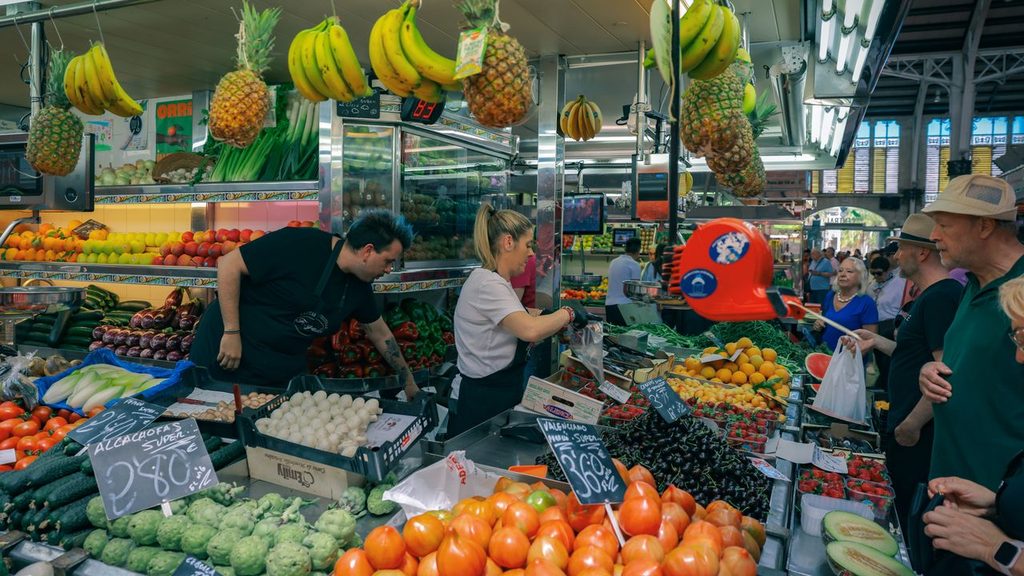
The municipal market is the real centre of local food shopping: fresh fish, fruit and vegetables, cheese, flowers and small producers under one roof. Go early for the best selection, bring cash and your own bags, and do not hesitate to ask the fishmonger to clean and scale your fish, which is done free of charge and expected. The market also has informal food stalls worth a stop for an unpretentious lunch between errands.
The Fishermen’s Catch
Cascais harbour still runs a lota, the dockside fish auction where the day’s catch is sold on to fishmongers and restaurants before most of the town is awake. Public access to the auction itself is limited, but many of the fishmongers supplying the market and local restaurants source directly from it, which is part of why fish here tends to be noticeably fresher than in a standard supermarket.
Other Markets and Organic Produce
Carcavelos holds its own weekly market, and the wider municipality runs seasonal fairs and occasional organic or farmers’ markets through the year, so it is worth checking the Câmara Municipal de Cascais calendar for current dates and locations rather than relying on a fixed schedule.
Supermarkets, Delis and International Products
For everyday shopping, Pingo Doce, Continente, Lidl and Auchan cover most needs, with health-food stores scattered through Cascais and Estoril for organic and specialist items. Gourmet delis and wine shops in the centre stock regional wines, including Carcavelos and Colares bottles that rarely leave Portugal. International products, British, Brazilian, Asian, kosher and halal, are increasingly easy to find in specialist shops or through grocery delivery apps. For a full monthly budget breakdown by household size, see [Link to: Cost of Living in Cascais].
Practical Tips for Newcomers
- Reserve ahead for Guincho and the centre on summer weekends and throughout August. Many restaurants now take bookings through online platforms, though older tascas still prefer a phone call.
- Seasonal calendar in short: sardines in summer, percebes in winter and spring, chestnuts in autumn.
- For allergies, carry a short note in Portuguese and always ask whether sauces contain gluten, since it is not always obvious from the menu.
- Five phrases worth learning: “a conta, por favor” (the bill, please), “mesa para dois” (table for two), “o que recomenda?” (what do you recommend?), “sem couvert, obrigado” (no couvert, thank you), and “tem prato do dia?” (do you have a dish of the day?).
- Most venues take cards, but small cafés and market stalls often prefer cash or MB WAY.
Conclusion and Next Steps
The short version: eat seasonally, choose your restaurant by neighbourhood and occasion rather than proximity to the seafront, and do your weekly shopping at the market rather than only the supermarket. From here, explore the full Restaurants & Cafés directory to filter by area, cuisine and price, and follow the gastronomy spoke articles linked throughout this guide for deeper dives into seafood, wine and family dining. For monthly updates on new openings across the Lisbon Riviera, the WhyCascais newsletter feeds directly from our Cascais News coverage.